 Silverline
Quick answers
- We follow your care label. If it can be washed, washing costs less.
- Starch only holds on cotton and cotton blends.
- Pants get a crease unless you ask for none.
- Next day: drop it off today, it's ready tomorrow. Your clothes are cleaned at our own plant.
- Something wrong? Tell us within 7 days and keep the garment.
Wash or dry clean?We follow your care label. Washing costs less; dry cleaning lifts oil.
Every garment has a care label, and we follow it. If it says dry clean, we dry clean it. If it says hand wash, we wash it by hand. If it says machine wash, it goes in our washers.
If it can be washed, we recommend washing
It costs less and it's quicker. Asking for "everything dry cleaned" isn't always best for your clothes: some fabrics are made to be washed, and some can't take water at all.
For an expensive garment, dry cleaning is worth paying for: it's the gentlest care and the best press we can give it.
Cotton shirts: wash, or dry clean?
Washing is our standard. Dry cleaning costs more, but our solvent dissolves grease and oil, so it removes what water can't:
- A big grease or oil spot.
- The film around a collar. Sweat and skin oil build up there. Even after we treat the collar for dirt and grime, a faint mark like a watermark can stay: that's oil, and dry cleaning lifts it.
Dark shirts come out of dry cleaning looking their best, with no fading. White shirts don't stay quite as bright, so we don't recommend dry cleaning a white shirt for a small oil spot.
How long it takesReady the next day. Household items about a week.
Nothing is cleaned at this location: your clothes go to our own plant and come back here.
Next day
Drop it off today and it's ready tomorrow, for laundered shirts and dry cleaning alike.
What can add a day
Bad weather, a machine breakdown, or a problem with the vehicle that carries the clothes. If that happens, your order is ready the day after.
We tell you in our app the moment your order is ready.
Takes longer
- Comforters and curtains
- About 7 days, not counting Sundays.
- Wedding gowns
- About a week to clean. With preservation (cleaned and boxed for keeping), up to 3 weeks.
- Water-repellent treatment
- About 3 days.
- Leather and suede
- About 7 business days at our specialist, sometimes longer if the item needs extra work.
- Alterations
- At least 7 business days. Bigger jobs take longer, and so do repairs that need a part ordered, like a special-size zipper most stores don't carry.
StarchOnly cotton and cotton blends take starch. Never silk, wool or soft fabrics.
Starch bonds with cotton and cotton blends. On other fabrics it won't hold, so we don't charge you for something that won't work, and we'll tell you so up front.
Can take starch
Cotton and cotton blends: dress shirts, uniforms and work shirts, jeans, khakis, cotton work pants, and cotton shorts if you ask. Choose none, light or heavy.
Starch is pressed in wet. The moisture lets it go on thin and even, so you get a crisp finish, not flakes.
Never starched
Silk, wool and wool-like fabrics, dress slacks, and soft fabrics like 100% polyester, polyester with spandex and 100% rayon. You bought those for how soft they feel and how they fall on you, so they come back feeling the way they did new.
Sizing instead
Polo shirts, t-shirts, and cotton blouses and small shirts that don't fit our shirt machine get a light spray of sizing and a little water before pressing. It isn't starch, but it gives them a much neater press. Soft fabrics get neither.
Creases & pleatsA crease on all pants unless you say no. Pleats are priced at the counter.
Creases
All pants get a crease down the front unless you ask for no crease.
No crease
Joggers and sweatpants with gathered ankles, tights and leggings never get a crease: the line can't form straight on them. Bell-bottoms and flares aren't made for one either. If you ask, we'll put one in, but we can't promise how it will look.
Pleats
If you'd like every pleat in a dress or skirt pressed back in, each pleat is charged (priced at the counter). Not every maker sets pleats to last: some come out in a wash, in the heating and cooling of drying, or just from wearing. We'll press them back in, but we can't make a pleat last longer than the garment was made to hold it.
Garment by garmentHow each kind of garment is cleaned, starched and finished.
"As the label says" means we follow the care label: dry clean, hand wash or machine wash.
Fabrics at a glance




Shirts & tops
Cotton dress shirts
- Cleaned
- Washed (dry cleaned if you ask)
- Starch
- None, light or heavy
- Finished on
- Our shirt unit: collar and cuff press, sleeve press, then the double-buck body press
Uniforms and work shirts
- Cleaned
- Washed, if cotton or a cotton blend
- Starch
- None, light or heavy
- Finished on
- The shirt unit, the same as dress shirts, at no extra charge. Police, fire and EMS uniforms are usually discounted, depending on the fabric
Polo shirts and t-shirts
- Cleaned
- As the label says
- Starch
- Never; a light sizing instead
- Finished on
- Cotton ones on our cotton presses
Cotton blouses and small shirts
- Cleaned
- As the label says
- Starch
- A light sizing
- Finished on
- Our cotton presses, when they don't fit the shirt unit
Linen shirts
- Cleaned
- We recommend dry cleaning
- Starch
- If you ask
- Finished on
- Pressed by hand up to the buttons, which are often plastic or color-matched and can break
Silk blouses and shirts
- Cleaned
- Dry cleaned
- Starch
- Never
- Finished on
- The silk press only
Polyester, rayon and other soft shirts
- Cleaned
- As the label says
- Starch
- Never, and no sizing
- Finished on
- The silk press
Pants
Dress slacks, suit pants and women's slacks
- Cleaned
- Dry cleaned
- Starch
- Never
- Finished on
- The puff topper for the waist, then a legger for each leg, one at a time
Jeans, khakis and cotton work pants
- Cleaned
- Washed
- Starch
- None, light or heavy
- Finished on
- Our double leggers (both legs at once) and double toppers, pressed wet
Shorts
- Cleaned
- As the label says
- Starch
- If you ask
- Finished on
- With starch, on the jeans presses
Jackets, dresses & coats
Suit jackets and blazers
- Cleaned
- Dry cleaned (washed only if the fabric and label allow)
- Starch
- Never
- Finished on
- Shaped on the Susie, then the lapels, collar and sleeves by hand
Dresses
- Cleaned
- As the label says
- Starch
- Never
- Finished on
- The Susie; silk dresses on the silk press
Dresses with beads, sequins or embellishments
- Cleaned
- As the label says
- Starch
- Never
- Finished on
- By hand. Costs extra: priced at the counter
Coats
- Cleaned
- Dry cleaned (washed only if washable)
- Starch
- Never
- Finished on
- Steamed on the Susie
Down and puffer jackets
- Cleaned
- As the maker says: some dry clean, some machine wash, some hand wash only
- Starch
- Never
- Finished on
- Steamed
Knits & accessories
Sweaters
- Cleaned
- Dry cleaned or washed, as the fabric needs
- Starch
- Never
- Finished on
- Steamed back into shape, then folded over a hanger so they don't stretch
Ties
- Cleaned
- Dry cleaned
- Starch
- Never
- Finished on
- Steamed; a badly wrinkled tie is first pressed straight on the silk press, our gentlest
Buttons, beads & trimsWhy some buttons crack or pop off, and how we replace them.
Some buttons and trims aren't made to last through pressing, however carefully it's done. Here's what to look out for before you bring a garment in.
Which buttons hold up
Most buttons are fine. These are the kinds to look out for, from the sturdiest to the most fragile.
Hold up well


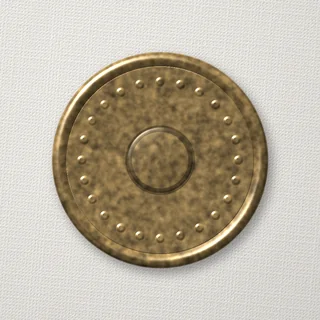
Need care

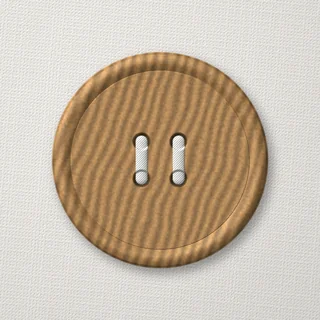
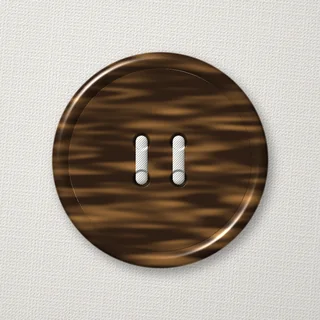
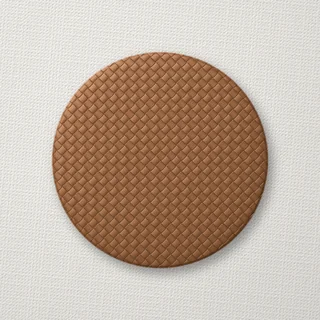

Most fragile


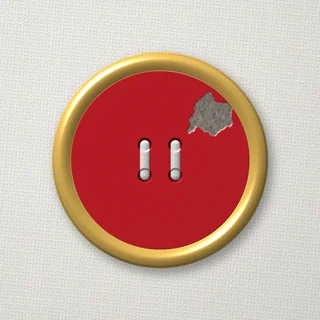

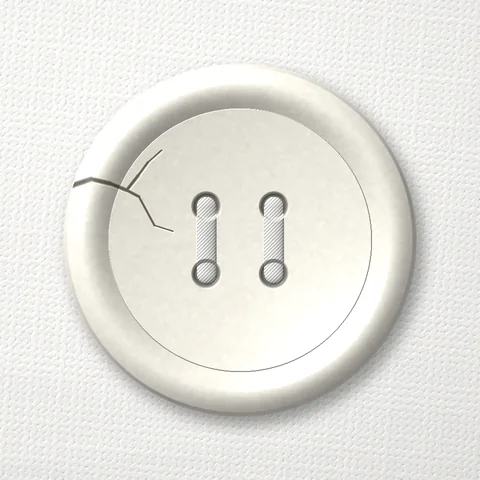
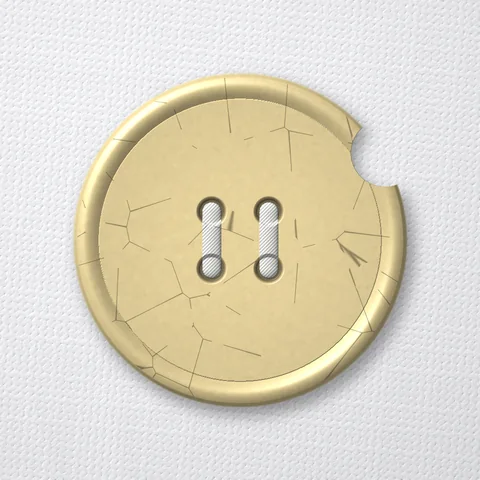
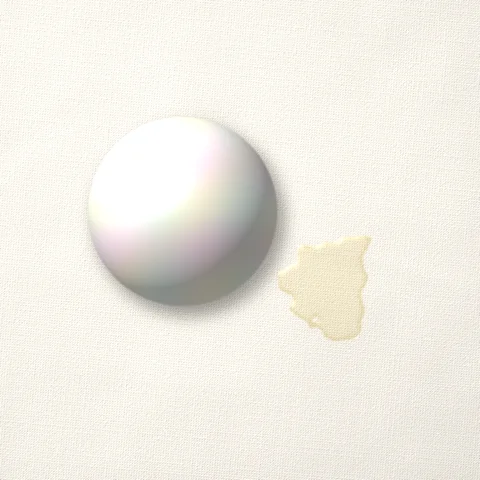
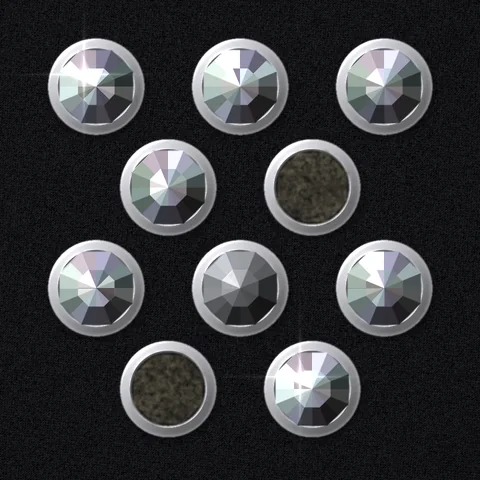
It comes down to how the garment was made. We press every shirt the same careful way, whatever its buttons. How long a button lasts depends on its shape, its material and how it was attached: choices made by the maker, not the cleaner. A fragile button would crack the same way anywhere.
If a button breaks or comes off
- Free: we sew on a standard button from our own stock, like white, black, grey or pearl. It won't be an exact match to the maker's button, so tell us at drop-off if you'd rather we leave it.
- Extra cost: special or designer buttons (two-tone, patterned or custom styles) that we try to order for you, and replacing a whole set so they all match, like every button on a jacket. Priced at the counter.
What you can do
- Keep the spare buttons that come with a new garment: they're the only exact match.
- If a shirt has cupped buttons, ask about dry cleaning: it's gentler on them, though they still won't last long.
- Point out anything glued, beaded or sparkly when you drop it off, so we can talk it over with you.
Holes & worn spotsWhy they can show up after cleaning, flaws made at the factory, and what we do about it.
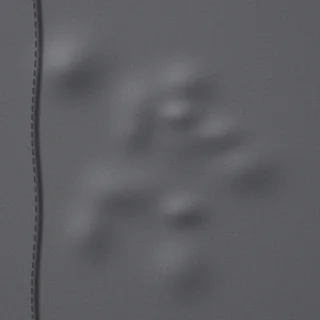
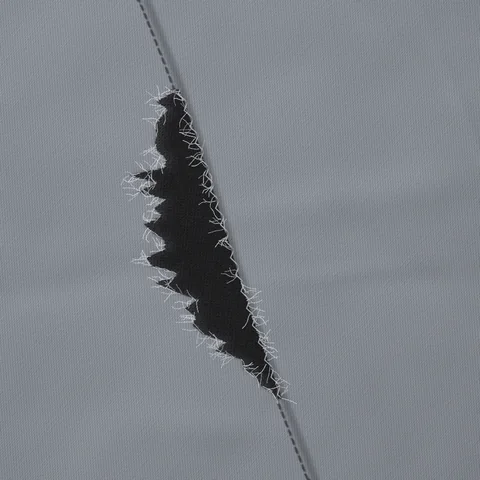
Sometimes a small hole appears after cleaning that wasn't visible before. That can feel like the cleaning caused it, but usually the damage was already there, hidden.
Insects
Moth and carpet beetle larvae feed on wool and silk, and on food and drink spills on other fabrics. What they leave behind fills the spot they've eaten, so it can't be seen until cleaning flushes it out. Cleaning also kills any larvae still in the garment.
Chemicals
Perfume, deodorant, hair products, bleach and some household cleaners weaken fibers where they touched. The weak spot holds until cleaning, then opens into a hole or a thin patch.
Wear and rubbing
Fabric thins where something rubs against it again and again: a seatbelt across the chest, a purse strap, a jacket worn over it, the seat where you sit, or belt loops rubbing silky or thin fabric in the car. The spot looks fine until cleaning opens it up.
The pattern tells the story. When several garments show the same worn spot in the same place, like a seatbelt line, that comes from how they were worn. A cleaning machine can't wear the same mark into the same spot on different garments.
Delicate fabrics need gentle wear. Thin silks and fine fabrics wear through fastest where they rub. Looking after them between cleanings is the wearer's responsibility; our job is to clean them as carefully as they allow.
Made that way: factory flaws that cleaning reveals
Some flaws come from how the fabric or garment was made. They're often hidden when it's new, and only show after it's worn, washed or cleaned, wherever it's cleaned. Our Terms (section 5) cover defects a garment already had.



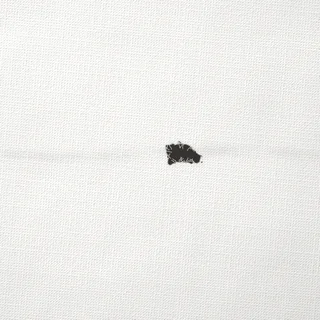


What we do
We check every garment when it comes in, and we may photograph or video garments as they're sorted, to keep a record of their condition. Anything already damaged is marked as received damaged, and we won't clean it until you've seen the damage (at the counter, by phone, or in a photo we send you in our app) and told us to go ahead. We never send photos by text message: a text from us only tells you there's a photo to see in the app. If we haven't heard from you within 2 days, we won't clean it: it stays with the rest of your order and comes back to you uncleaned, and you aren't charged for it. A garment that can't be repaired, like wool that has already shrunk in a washing machine, we won't clean at all. If one of our staff ever damages something, we tell you.
If the damage can be repaired, like a seam or hem that's come undone, we can repair it at our usual alterations price. A hole in the middle of the fabric would need reweaving, which few places offer and which usually costs a good deal, so it's only worth it for an expensive garment.
If you think we damaged something, tell us within 7 days and keep the garment (and its care label) so we can look at it. Our Terms & Conditions (sections 3 to 7) say exactly how we handle it.
Sources: moth damage hidden until cleaning and chemical damage that shows after cleaning (Laundry and Cleaning News); insects feeding on food stains (IFI Fabricare News, Smithsonian).
Stains, marks & colorStains that may not come out, marks that only show after cleaning, color that comes off, and spills in bags and leather. With pictures.
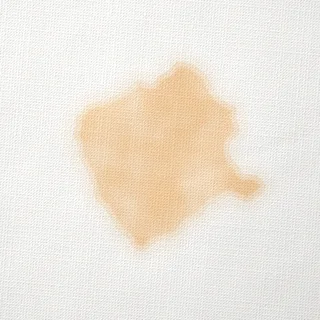
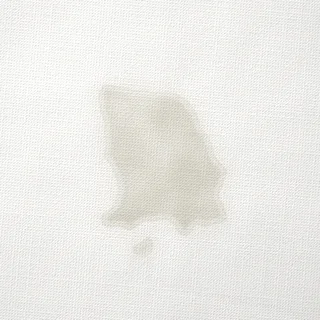
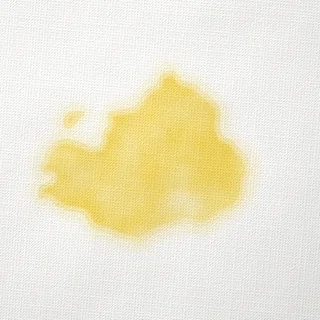
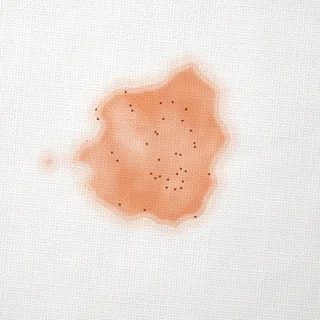
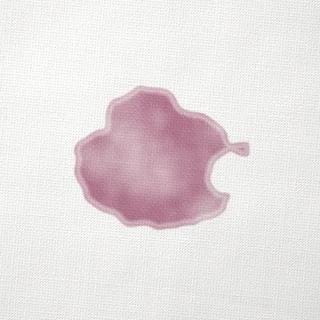
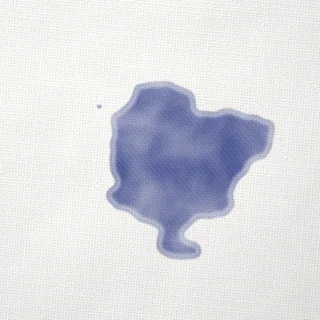
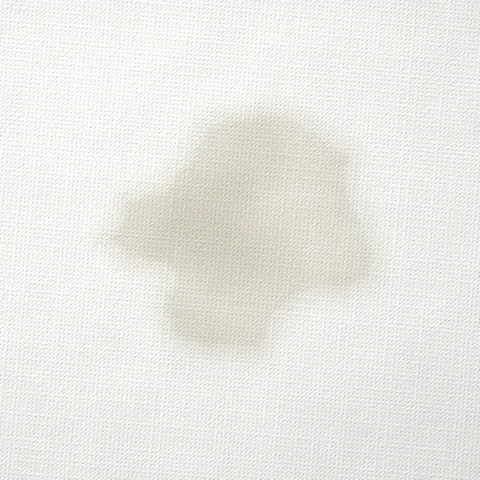
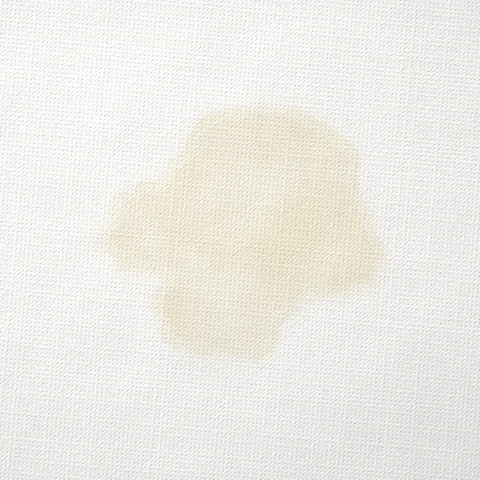
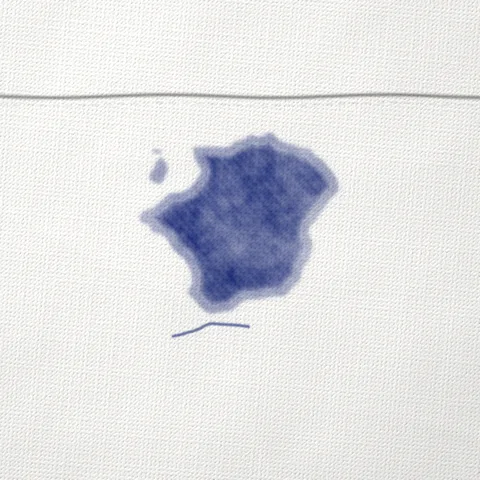
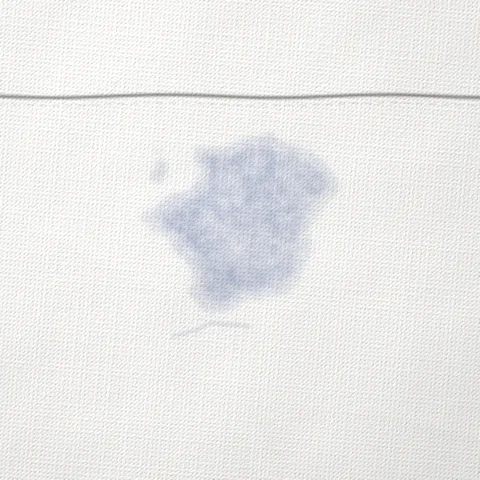
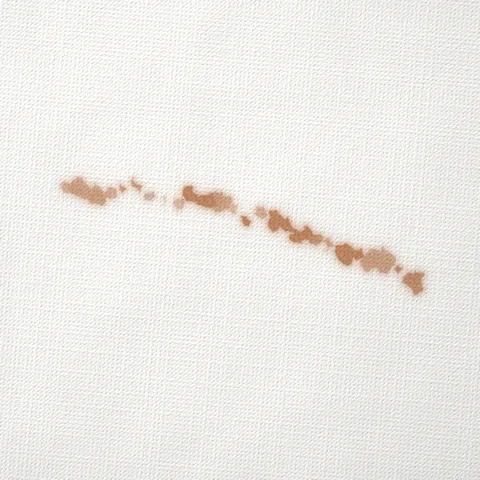
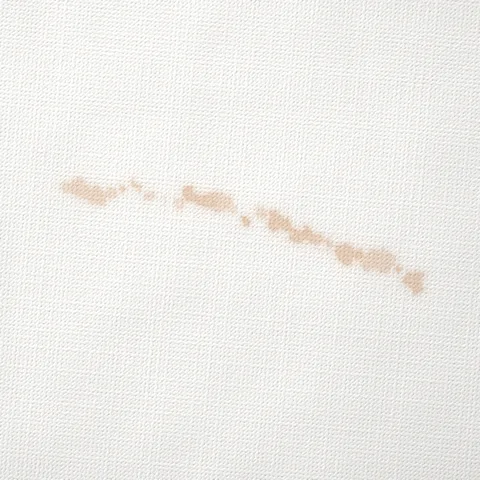
We treat every stain we know about, with steps and cleaning agents chosen for the fabric. Still, some stains won't come out completely, and some marks only appear after cleaning. The pictures show what that looks like.
Common stains: what to expect
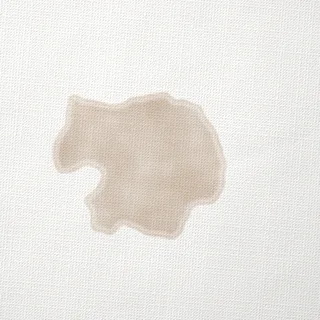
How likely each stain is to come out, based on our experience. Every stain is different: its age, the fabric and anything already used on it all make a difference, so this is a guide, not a promise. Different stains react differently to treatment, and some cleaning agents change a stain's color instead of removing it. Our regular price includes our standard stain treatment: we work on the stains we find as part of cleaning, at no extra charge. If a stain remains and you'd like us to try again, that second attempt is charged, and for a heavily soiled garment it can cost more than the garment's regular cleaning price.
Usually comes out
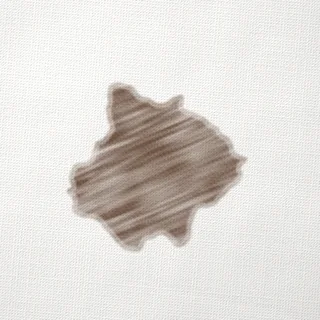
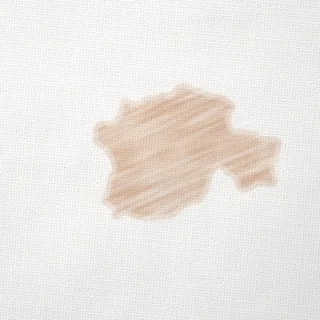
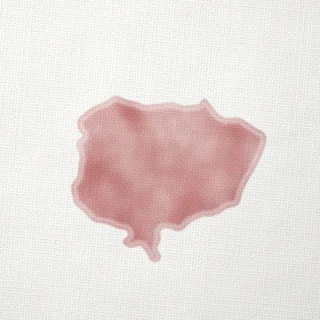
Often fades, may leave a trace
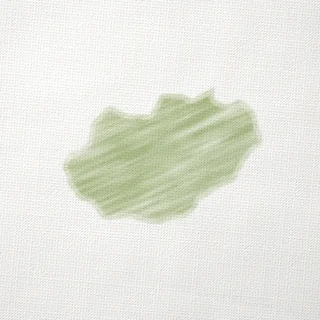
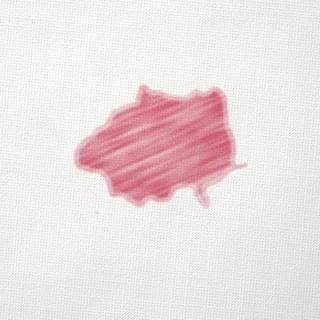
May stay
Stains that may not come out completely
These stains bond with the fibers, especially once they're old, dried in, or have been through heat (a dryer or an iron). We can often lighten them, but they may stay, or change color: a brown stain can turn yellow or tan. Treating them harder could damage the fabric.
 Before cleaning
 After cleaning
 Before cleaning
 After cleaning
 Before cleaning
 After cleaning
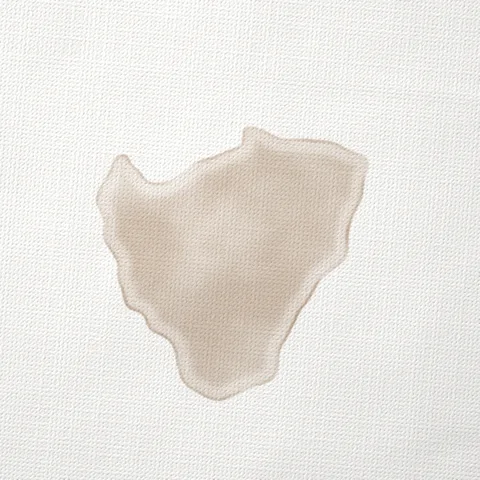 Before cleaning
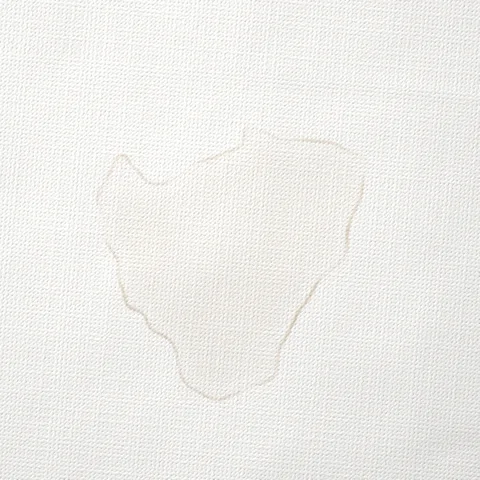 After cleaning
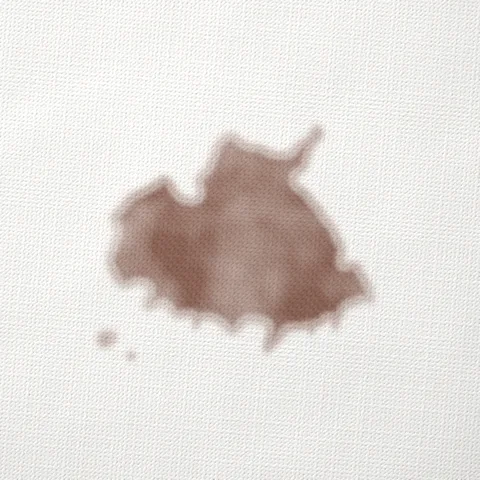 Before cleaning
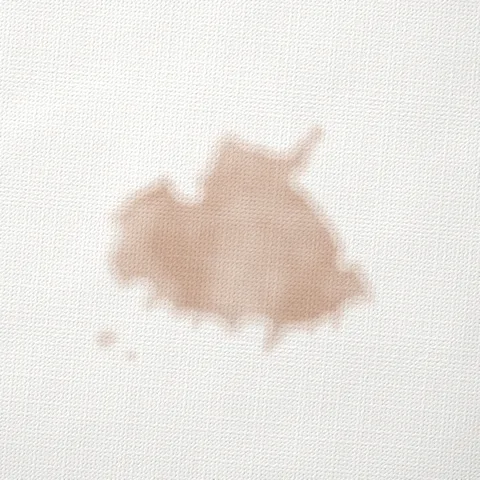 After cleaning
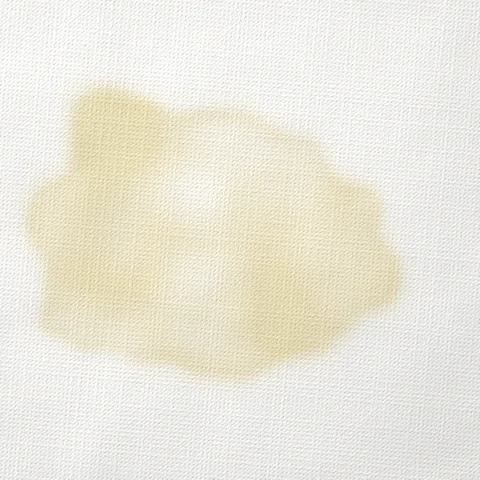 Before cleaning
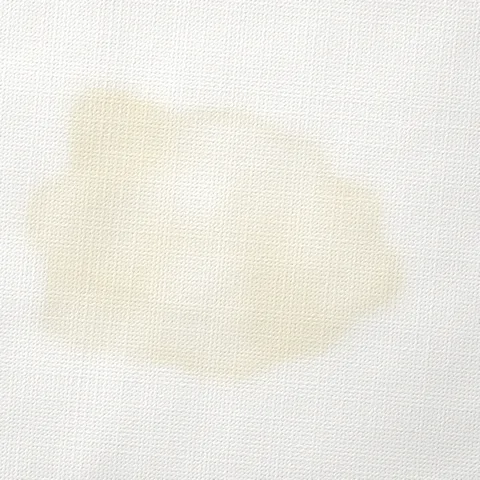 After cleaning
Marks you can't see until after cleaning
Some spills dry clear, so neither you nor we can see them when you drop off. The heat of cleaning and pressing then turns them yellow or brown. The spill was already there; cleaning only makes it show.
 Before cleaning
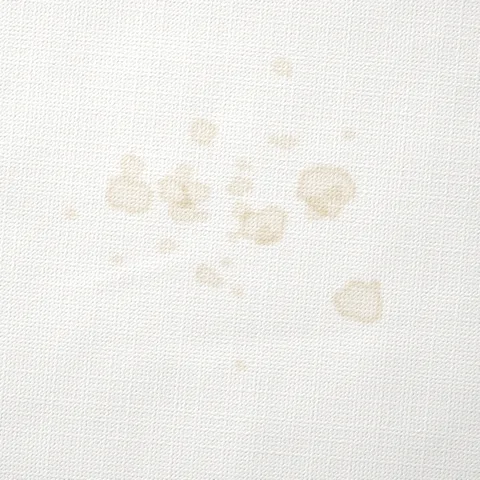 After cleaning
 Before cleaning
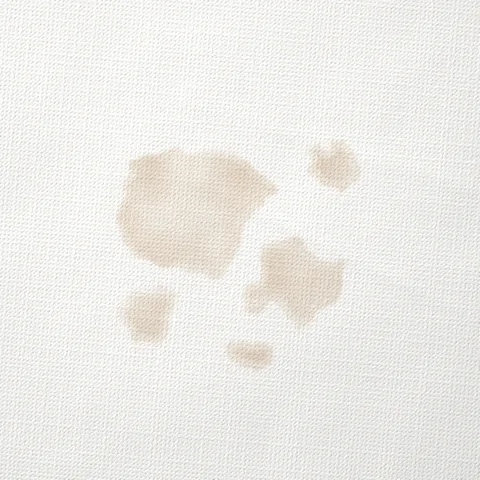 After cleaning
Color that comes off
Some things take the dye out of fabric where they touch it. That color is gone from the fibers, so cleaning can't bring it back. Often the spot only shows after cleaning, once whatever was sitting on it is washed away.
 Before cleaning
 After cleaning
 Before cleaning
 After cleaning
 Before cleaning
 After cleaning
 Before cleaning
 After cleaning
Leather, handbags and linings
We accept leather and suede garments and handbags, and send them to a leather specialist we trust. You can leave the item with us and we'll give you a claim ticket, so there's no need for an extra trip. For anything beyond a standard leather jacket cleaning, we confirm the price with the specialist first, then call you. We send the item out only once you approve the price. If you decide not to go ahead, we'll hold it for at least one week for you to pick up, with no storage fee. Like any specialist, they can't promise how much a treatment will improve an item: every bag and every stain is different.
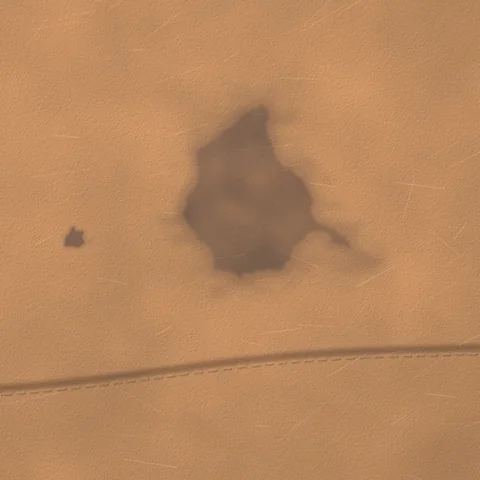 Before cleaning
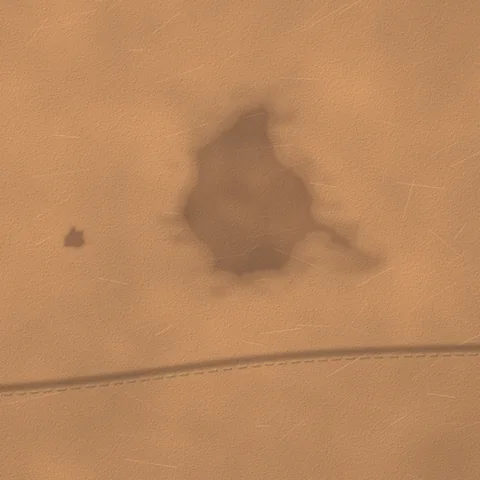 After cleaning
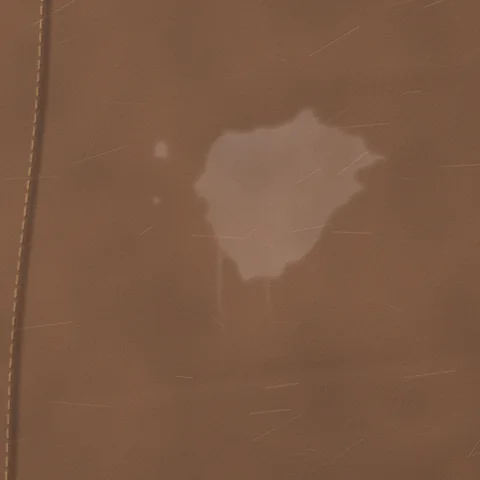 Before cleaning
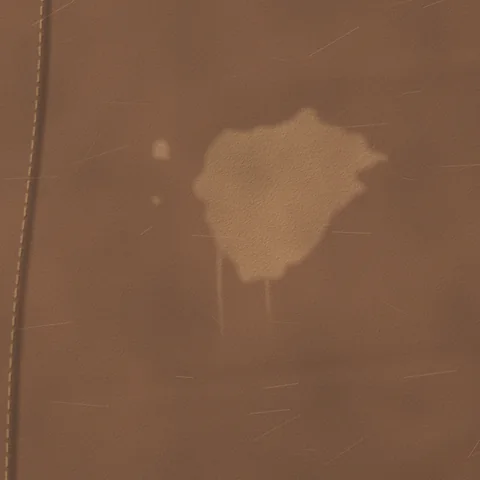 After cleaning

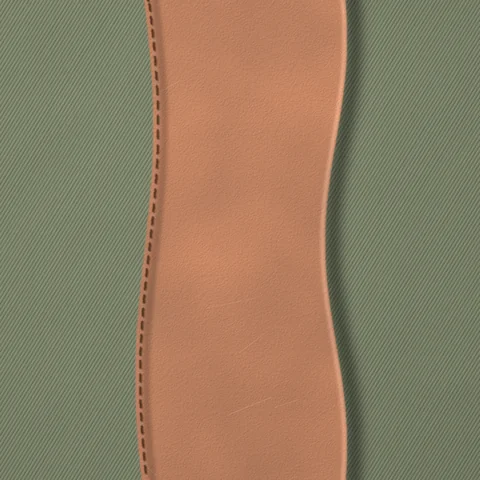 Before cleaning
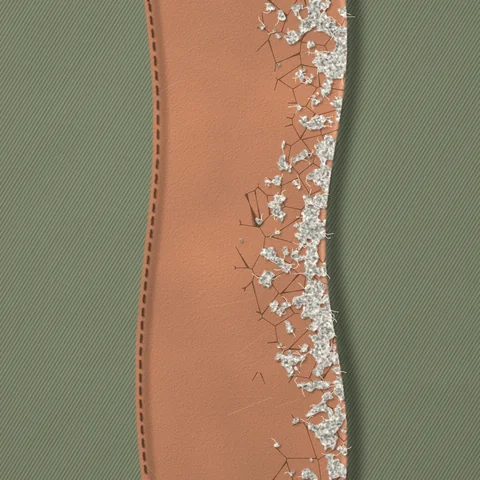 After cleaning
Each treatment is priced separately. Cleaning, odor treatment, color touch-up and lining repair are separate treatments, and each one adds to the total unless the specialist offers a discount. A bag with a spill, an odor and a damaged lining may need several. We'll tell you the price of each, and you decide which ones to have.
A damaged bag can't be restored to new. When a spill has been left in the heat for days, the odor, the stain and the weakened lining are damage that happened before the bag reached us. The specialist will work to improve it, but no one can promise a complete result.
What you can do
- Tell us at drop-off what the stain is and how old it is, and show us where, even if you can't see it.
- Bring stains in soon. Fresh stains come out far more often than old ones.
- Keep heat away from a stain: no ironing, no dryer and no hair dryer. Heat sets it.
- Let perfume, cologne, deodorant and lotion dry before you dress, and spray perfume on skin, not on fabric.
- Empty bags and pockets as soon as something spills, and blot gently (don't rub). Don't leave food or drinks in a bag in a hot car.
Our Terms & Conditions (sections 1 to 5) say how we handle stains, leather and handbags, garments that arrive damaged, and spills before drop-off.
Extras & householdWater-repellent, wedding gowns, comforters, curtains, rugs, leather, alterations.
Extras
- Water-repellent treatment: an extra charge per coat (ask us at the counter), for fabrics that can take it. It adds a few days: after cleaning we treat the coat at least twice so no spot is missed, letting each treatment settle into the fabric before the next.
- Wedding gown cleaning and preservation: each gown is cleaned on its own (a very dirty one gets an overnight cycle), then boxed for keeping.
- Heavily soiled garments can need extra stain treatments or two, three or more cleanings, so they cost more than the regular price, and specials and deals don't cover them. Please tell us at drop-off, so the price doesn't surprise you.
Household items
- Comforters and blankets, dry cleaned or washed as the fabric needs. Down comforters too, up to about 3 inches thick. We don't recommend cleaning thicker ones: it costs nearly as much as buying new.
- Curtains: please take all the hooks off before you bring them in. Hooks left on can damage your curtains.
- Tablecloths: yes, we clean them.
- Rugs: we can look at small rugs and do our best with them. We can't accept large rugs, as our shop doesn't have the space.
Specialists, and not yet
- Leather and suede clothes and handbags go to a specialist. What a specialist can and can't fix
- Alterations and repairs, like zippers.
- Wash and fold (laundry by the pound): not offered yet.
Questions about a garment?
Bring it to the counter and we'll look it over with you.